Saturday, April 26, 2014

Top Treatment Options for Glaucoma

Glaucoma occurs when pressure in the eye damages the optic nerve, often causing vision loss. Some symptoms of the condition include blurred vision, nausea, and eye pain. Common risk factors include age, family history, and any past eye injuries.

Glaucoma is diagnosed following a comprehensive exam, as well as an assessment of medical and family history. Once the condition is diagnosed, your doctor will speak with you about what treatment is right for you. When it comes to treating glaucoma, sooner is better. Waiting may result in further damage, or vision loss.

While there is no cure for glaucoma, there are highly-effective treatments available. Let’s take a closer look at some of these treatments.

  1. Medication. A variety of medication is available to treat glaucoma. Most commonly, patients will use prescription or over-the-counter eye drops. Eye drops are useful for reducing the pressure levels in the eyes that cause glaucoma. Oral medications are usually recommended for patients who are not responding to eye drops. An eye doctor may also recommend a combination of medications, to control eye pressure.
  2. Laser surgery. An outpatient procedure known as “laser trabeculoplasty” is an effective alternative to surgery, for patients who are unresponsive to medication or eye drops. With this procedure, your eye doctor uses a laser beam to open clogged drainage canals in the eye. This allows fluid in the eye to drain easily, reducing pressure in the eye. This may require some downtime, since results of laser surgery take a few weeks to appear.
  3. Surgery. Laser surgery may not always be effective in lowering the pressure in the eye. When medications and laser surgery do not work, more extensive surgery is necessary. Conventional glaucoma surgery involves creating a drainage hole in the eye with a small surgical instrument. The opening will allow fluids to bypass the clogged drainage canals, and flow out of the artificial drainage hole. Glaucoma surgery can be performed several times, if necessary, without risk to the eye.

Glaucoma Treatment in Winchester

If you’re living with glaucoma, contact us today to learn about your treatment options.  Our offices are located in Winchester, serving Virginia, West Virginia, and Maryland, and you can reach us directly at (540) 722-6200.  We hope to hear from you soon.

Source: http://www.seeclear.com/blog/glaucoma/top-treatment-options-for-glaucoma

ophthalmologist vs optometrist optometrist vs ophthalmologist

Baltimore Ophthalmologist Takes Personal Approach To LASIK Procedures

Dr. Jay C. GrochLASIK surgeon, LASIK, LASIK surgery in Baltimore, cataractsmal personally performs each aspect of his LASIK procedures from consultation to postoperative care to avoid unnecessary errors and reduce risks.

Baltimore, MDLASIK surgeon Jay C. Grochmal, MD strives to serve his patients with compassionate care and a personal touch. At Grochmal Eye Center, he personally performs all LASIK laser vision correction screenings, examinations, surgeries and post-operative care. He believes that taking a hands-on, expert approach to all aspects of patient care can ultimately decrease the risk of error and enhance the final results.

According to Dr. Grochmal, LASIK is the most popular variation of excimer laser vision correction performed at Grochmal Eye Center. By reshaping the cornea (the outer window of the eye), he says light rays are able to focus more precisely on the patient’s retina, reducing or eliminating refractive errors and common vision problems. The procedure can treat and correct a number of conditions, including:

  • Nearsightedness
  • Farsightedness
  • Astigmatism

At Grochmal Eye Center, all LASIK procedures are performed without the need for a surgical blade coming anywhere near the eye. One type of laser is used to create a corneal flap and another laser is used to reshape the cornea itself in order to better refract light, ultimately working to improve distance vision. Recent FDA studies report that 100% of 189 patients who underwent CustomVue™ refractive eye surgery reported post-operative 20/40 vision or better without contact lenses or glasses. Of those patients, 94% reported 20/20 vision, and 74% reported 20/16 vision or better.

Dr. Grochmal notes that CustomVue™ LASIK refractive eye surgery is his preferred way to perform LASIK, as this technology allows the newly reshaped cornea to be custom-tailored for each patient to such a degree that many higher orders of optical aberrations (visual distortions) are corrected. He adds that this custom-tailoring, enhanced by Wavefront™ technology that allows for a more advanced level of precision over traditional refractive eye surgery, typically results in a higher quality visual outcome.

When determining if one of his patients is a candidate for LASIK surgery, Dr. Grochmal evaluates the patient’s tear film, pupil size, corneal thickness, corneal shape, and total refractive state as well as the overall health of the patient’s eyes. Furthermore, Dr. Grochmal says he also discusses the patient’s personal expectations for the procedure to ensure that patients are informed about every step of the LASIK process – from preoperative preparation to postoperative care – and that they achieve the results they are seeking.

About Jay C. Grochmal, MD
Dr. Jay C. Grochmal serves on the staff of the Greater Baltimore Medical Center and St. Agnes Hospital and travels on medical missionary trips to Third World countries with a variety of religious organizations. He earned his medical degree from the University of Maryland and went on to complete his residency at the Greater Baltimore Medical Center’s Department of Ophthalmology where he achieved the rank of Chief Resident. In addition to laser vision correction, Dr. Grochmal treats patients affected by common eye and vision conditions such as cataracts, glaucoma, and macular degeneration. Dr. Grochmal is available for interview upon request.

This practice can be reached online at www.grochmaleye.com or www.facebook.com/grochmaleye.

Source: http://www.grochmaleye.com/blog/baltimore-ophthalmologist-takes-personal-approach-to-lasik-procedures/

who is an optometrist what is a optometrist optometrist in what is optometrist optometrist optometrist

Changes are Coming to Your Health Savings Accounts

It’s the season of open enrollment for health insurance plans, and if you have an HSA (Health Spending Account – sometimes called a Health Reimbursement or Flex Spending Account), it’s time to max it out! Tax laws have changed, and this coming year, 2012, is the last year that you can place the maximum $5,000 in your HSA. Starting in 2013, the maximum allowed in any Health Savings Account will be $2,500, which means that the entire cost of laser eye surgeries such as LASIK cannot be covered by your HSA pre-tax dollars after 2012.

If you have questions about the coming changes, or if you would like to set up a consultation for LASIK or other laser vision correction procedures, please contact Grochmal Eye Center at (410) 697-4090.

Source: http://www.grochmaleye.com/blog/hsa-flex-spending-account/

ophthalmology vs optometrist ophthalmologist vs optometrist

Innovative new surgical instruments bear Dr. Labor’s name

Noted Fort Worth and Dallas eye surgeon Phillips Kirk Labor, MD, has his name associated with three innovative new cataract surgical instruments on the market. Manufactured by industry leader Katena Products, Inc., each is based on modification by Dr. Labor of an existing instrument to accommodate patients with smaller or deeper set eyes. Based on Dr. Labor’s modifications, the instruments are designed for surgeons to more easily handle in performing certain procedures during cataract surgery, as well as for improved efficiency, precision, and patient safety.

It is a distinction few eye surgeons have achieved, which reflects the Eye Consultants of Texas founder’s devotion to innovation as key to continually improved outcomes. “No doubt, this is a tremendous honor,” Dr. Labor said. “When originally modifying these instruments, however, I had the patient and only the patient in mind.”
The three instruments with the “Labor” name are part of Katena’s full product line, and include:

Labor A/C Cannula
The Labor A/C Cannula is designed for positioning an intraocular lens (IOL) without damaging the optic. From Dr. Labor’s modification, it uses a thinner 26 gauge, with lightly textured tip to further enhance this benefit for the surgeon.

Labor-Lester IOL Manipulator
The Labor-Lester IOL Manipulator is an angled instrument for use with intraoperative diagnostic equipment, such as the ORA System. Because of ORA’s revolutionary configuration, this reduces working space under the microscope. Dr. Labor’s modification shortens the handle to 29mm in order to solve this issue.

Labor Cyclodialysis Spatula
From Dr. Labor’s modification, the Labor Cyclodialysis Spatula has a slightly vaulted 0.5mm wide surface with beveled tip and short handle. It’s designed for use with intraoperative diagnostic equipment that reduces working space under the microscope.

If you’d like to know more about cataract surgery at Eye Consultants of Texas, or schedule a cataract evaluation, call us locally at 866-516-4364. We’re conveniently located in Grapevine and easily accessible from anywhere in the DFW Metroplex.

Katena Products, Inc. is the largest independently owned American company dedicated exclusively to ophthalmic surgical instrumentation, serving over 7,000 customers in the U.S., and more than 100 countries around the world. To learn more, visit www.katena.com


Source: http://www.eyectexas.com/blog/innovative-new-surgical-instruments/

eye doctor optometrist optician eye exam optician optometrist optometrist optician

Extubation in remote locations

Source: http://adventuredoc.net/2012/12/22/extubation-in-remote-locations/

optometrists salary vision optometrist

Books Feed Your Head

It’s true, books really do, “Feed Your Head”.  In 1991 there was an award winning MTV campaign that promoted reading.  It was a revolutionary, ground breaking, and cutting edge style of mixing literature with a short film.  This was when MTV still contained the word “music” in the logo, Tom Freston was the President and CEO of the network, the influence of Bob Pittman was still around, and it offered up value and creativity to viewers.  Unfortunately it seems those days have passed.

Because of this campaign to promote reading I was introduced to the works of Franz Kafka and more importantly the works of Donald Barthelme.  To me, Donald Barthelme is the master of the short story.  I read almost every single day.  I will admit that there are days when I am on vacation that I might miss the opportunity to read in exchange for the opportunity to explore a new city. 

Many years ago, Jim Rohn (author and personal development trainer) said, “If you read one book every month about your industry, in 10 years you’ll have read 120 books. That will put you in the top one percent of your field.”  Mr. Rohn was 100% correct and he was just talking about the lazy way to do it.  I once heard someone say, “Skip a meal, but never skip the opportunity to read.”  If you just invest 20 – 30 minutes a day in yourself, to read, there isn’t any reason that can’t read at least one book a week.  If you were to read one book a week that would mean at the end of year you would have read 52 books.  At this rate you would be in the top one percent in two years instead of 10. 

For myself, I find that reading in a 80/20 ratio works best for me.  Eighty percent of the books that I read are for knowledge and learning.  Twenty percent of the books that I read are for humor, pleasure, and escapism.  I would personally get bored if all I did was read for learning.  I also need to be entertained when I read. 

Please don’t tell me you don’t have enough time to read.  If you really don’t think that you have the time to read…then I suggest that you at least make the time to read, “The 168 Hour Week” by, Dr. Kevin Hogan.


You can find the time to read.  You just have to do it.  I truly believe that reading is a great exercise that you can and should do for your brain everyday to keep it healthy and active.  Think of your brain as muscle…exercise it and make it grow.  The dividends that it will pay you can be huge.

If you’re looking for a new author to read or you want to start reading a new genere of books, then I suggest you take a look at the works of Thorne Smith.  You can find out more about Thorne Smith at the blog and and website created by, Michael Walker at   http://www.thornesmithblog.com/

Grab a book and start reading today.  Remember, “Books Feed Your Head”.

Yours In Health!

G.E. Moon II


Source: http://www.abundanthealthcenter.com/blog/booksfeedyourhead

opthamologist optometrist opthamologist or optometrist optometrist and opthamologist optometry school optometrist and ophthalmologist

Friday, April 25, 2014

Top Treatment Options for Glaucoma

Glaucoma occurs when pressure in the eye damages the optic nerve, often causing vision loss. Some symptoms of the condition include blurred vision, nausea, and eye pain. Common risk factors include age, family history, and any past eye injuries.

Glaucoma is diagnosed following a comprehensive exam, as well as an assessment of medical and family history. Once the condition is diagnosed, your doctor will speak with you about what treatment is right for you. When it comes to treating glaucoma, sooner is better. Waiting may result in further damage, or vision loss.

While there is no cure for glaucoma, there are highly-effective treatments available. Let’s take a closer look at some of these treatments.

  1. Medication. A variety of medication is available to treat glaucoma. Most commonly, patients will use prescription or over-the-counter eye drops. Eye drops are useful for reducing the pressure levels in the eyes that cause glaucoma. Oral medications are usually recommended for patients who are not responding to eye drops. An eye doctor may also recommend a combination of medications, to control eye pressure.
  2. Laser surgery. An outpatient procedure known as “laser trabeculoplasty” is an effective alternative to surgery, for patients who are unresponsive to medication or eye drops. With this procedure, your eye doctor uses a laser beam to open clogged drainage canals in the eye. This allows fluid in the eye to drain easily, reducing pressure in the eye. This may require some downtime, since results of laser surgery take a few weeks to appear.
  3. Surgery. Laser surgery may not always be effective in lowering the pressure in the eye. When medications and laser surgery do not work, more extensive surgery is necessary. Conventional glaucoma surgery involves creating a drainage hole in the eye with a small surgical instrument. The opening will allow fluids to bypass the clogged drainage canals, and flow out of the artificial drainage hole. Glaucoma surgery can be performed several times, if necessary, without risk to the eye.

Glaucoma Treatment in Winchester

If you’re living with glaucoma, contact us today to learn about your treatment options.  Our offices are located in Winchester, serving Virginia, West Virginia, and Maryland, and you can reach us directly at (540) 722-6200.  We hope to hear from you soon.

Source: http://www.seeclear.com/blog/glaucoma/top-treatment-options-for-glaucoma

association optometrists optometrists association

Baltimore Ophthalmologist Provides Premium IOLs That Reduce Or Eliminate Cataract Patients’ Dependency On Glasses

dr jay c grochmal,   lasik in baltimore,   baltimore iols,   cataract surgery ,  ophthalmologist in baltimore

For cataract patients, Dr. Jay C. Grochmal offers a variety of Intraocular Lenses (IOLs) that can help patients attain clear vision after surgery without heavy reliance on corrective eyewear.

Baltimore, MD – Dr. Jay C. Grochmal, a Baltimore ophthalmologist, provides comprehensive eye care at his private practice, with procedures including LASIK, glaucoma treatment, and cataract surgery. With traditional cataract surgery, many patients have their natural lens replaced with a monofocal intraocular lens (IOL) to help them restore clear vision once the cataract has been removed. However, after correcting for near or far distance vision, the monofocal IOL may still require the patient to wear glasses after treatment. At Grochmal Eye Center, Dr. Grochmal offers a variety of advanced, multifocal IOLs as an alternative to monocular lenses, which can significantly reduce the patient’s dependence on eyeglasses or even eliminate the need for glasses altogether. These premium IOLs include:

  • Alcon’s ReStor® multifocal IOL
  • AMO’s Tecnis® multifocal IOL
  • Alcon’s Toric IOL

While standard monocular IOL procedures are often covered by a patient’s health insurance, Dr. Grochmal says there are certain advantages that premium IOLs provide. He highlights that Alcon’s Toric IOL is very successful in correcting even high amounts of astigmatism (a common optical condition that causes blurry vision), and multifocal lenses in general are effective in significantly decreasing one’s dependence on glasses. He says many patients who receive multifocal lenses do not need to wear glasses at all after the procedure.

Grochmal Eye Center now uses the Zeiss IOL Master 500 for premium IOL procedures. The innovative technology of the Zeiss IOL Master 500 allows advanced calculations that measure the IOL power necessary to obtain optimal results for each patient. With this new technology, Dr. Grochmal is able to combine the results of the Zeiss IOL Master with his attention to surgical detail to produce distance vision improved to the point that his patients rarely require glasses afterward.

Multifocal IOLs can also be helpful for patients who do not suffer from cataracts but are looking to reduce their dependence on corrective eyewear. Patients who are not eligible for LASIK or other laser eye surgery procedures often qualify for premium IOLs, which have similar benefits. However, some patients who have already had monofocal IOL surgery may not be ideal candidates for the procedure. According to Dr. Grochmal, once a monofocal IOL is placed within the capsular bag of the eye, it is not safe to replace that IOL unless the exchange is done within a month of the initial surgery.

Dr. Grochmal stresses that multifocal IOLs are best used in healthy eyes that have no other eye diseases present, aside from cataracts.

About Jay C. Grochmal, MD

Dr. Jay C. Grochmal earned his medical degree from the University of Maryland. He completed his residency at the Greater Baltimore Medical Center’s Department of Ophthalmology where he achieved the rank of Chief Resident. In addition to serving on the staff of the Greater Baltimore Medical Center and St. Agnes Hospital, Dr. Grochmal travels on medical missionary trips to Third World countries with a variety of religious organizations. He is available for interview upon request.

Source: http://www.grochmaleye.com/blog/baltimore-ophthalmologist-provides-premium-iols-that-reduce-or-eliminate-cataract-patients-dependency-on-glasses/

optometrist eye doctor eye doctor optometrist optician eye exam optician optometrist

Tick-borne encephalitis in Europe – walkers beware!

Tick-borne encephalitis continues to be a problem in some areas of western & central Europe, and those taking walking holidays in Europe should be aware of those countries where there is a risk of this serious disease.

It is common in the forest & mountainous regions of Austria, Germany, Switzerland and Poland, & also present in Lithuania, Belarus, Croatia and Slovenia. It is also present in lesser amounts in France, Italy, Norway, Sweden and many other European countries.

The disease is vaccine-preventable, and those going on walking or camping holidays in all the countries mentioned should take precautions against being bitten by ticks, know what to do if bitten & consider vaccination before travel.

Source: Eurosurveillance

Get in touch
Holidaying in Europe? Make sure, take expert advice. Call the Globe Travel Health Centre in Norwich on 01603 667323

Source: http://www.globetravelhealthcentre.com/travel-advice/tick-borne-encephalitis-in-europe-walkers-beware.html

optometrist is a doctor optometrist eye doctor

Enterprise Prospects

Now there are business alternatives that really work in just about any form of service provider party that you may photo. One can choose from a number of will cost you mounting brackets and will satisfy many individuals life styles – aprire in franchising. Franchising has become a pretty well-performing ways to start up a business venture and has now practically transformed the would mean citizens do reputable company within the world. Have you been making plans for ending up with a business? You should pick and choose the level of service provider that may suit your means for finances and lifespan if you have. Should a clients are fix in your case requires you to begin by participating in business reveals, seeking business web based business and having some business newspapers, the best way to check. Business gatherings are the ideal place to – franchising innovativi. You can still consult with a couple of franchisors in similarly and sooner or later measure the alternatives. Almost all franchisors their very own promoting products and revenue pamphlets easily available to get appears. Many will absolutely available for purchase you snacks and beverages although they endeavor and convince that you shop for in their business – abbigliamento franchising. In many instances you may choose to in a similar fashion satisfy the loan companies specializing in assisting you help to increase dollars to buy during the circumstance. They could not just assist you together with your credit high demand but furthermore review the positives and negatives of this a number of business choices. There is certainly many different facts proposed on the web which can be easily used on the convenience of your own residential by having a press for this personal pc computer mouse. The simplest stage about the world wide web is often that often all the details you require can be found fully free. Business magazines deliver a number of content and they are similarly undoubtedly the 1st space you may without a doubt are aware of the start-up for a new business.

It will require a little while on a new agency to get started on exhibiting and then to show up on the radar belonging to the on-line internet search engine. Reduce your ways of 3 capabilities business mandate and probabilities leaflets out from the franchisors. It is essential that afterwards you attain in contact with established franchisees. This will assist in opting which business precise for your business. Examine and them the potential for this company in addition to the inconveniences they possess really qualified. Evaluate their compare and local area it with your own property. It may be worthy of spending them a proceed to to guarantee that one can accomplish them do something about to have to see for yourself how clear-cut or problematic it can be to handle – franchising immobiliare. Ensure that you have legal and bookkeeping comprehension previous to you approve the agreement and cover any specific degrees of earnings on top of. Be sure to ask your capital professional to help you get up an enterprise approach and assure there are some back up capital if your business enterprise uses considerably longer then expected get to be cost-effective. You are required to not ever ever previously rush in the purchase of a business likelihood as firm you end up deciding upon will probably make you stay occupied for at the minimum these particular 3 to 5yrs. In case you have really authorized the business written agreement get ready for some strong profession. Buying a business is not going to certainly keep your great success. quality, motivation and energy are frequently necessary to develop your work powerful.

The post Enterprise Prospects appeared first on pagingdrblog.com.

Source: http://pagingdrblog.com/2014/04/24/enterprise-prospects/

college of optometrist optometrist college optometrist opthalmologist college of optometrists vision therapy

Today is Our Birthday!

Today marks the third birthday for the Center for Total Health, which is hard to believe! We spend a lot of time looking forward to the many great things that lie ahead, but we wanted to take a moment to celebrate the first three years and thank those who have made them so memorable.

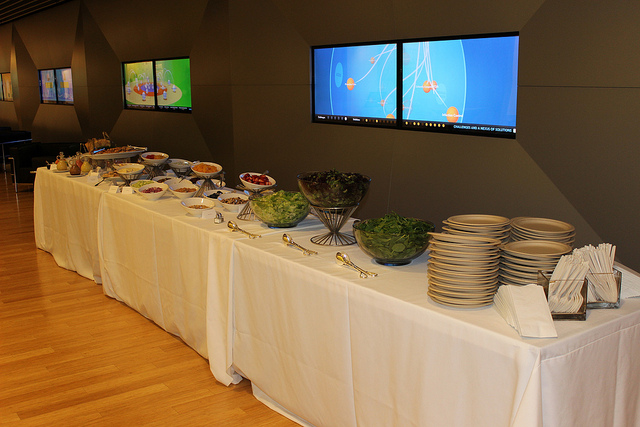
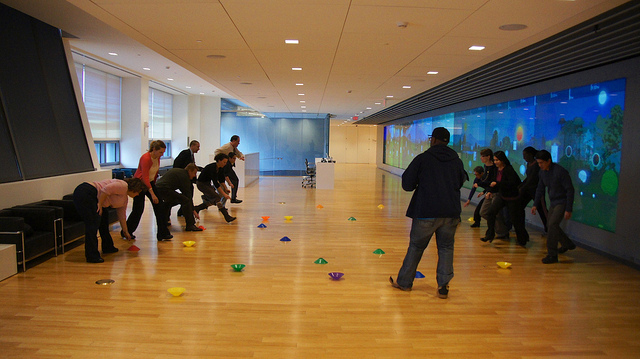
We’ve had thousands of visitors from more than 20 countries with interests ranging from maternal & child health to end-of-life care, walking to diversity, urban planning to farming. We have played with Playworks, brought healhy meals to our events, and spread the benefits of walking meetings.

healthy lunch

healthy lunch

To see photos from our first three years, visit our Flickr group. If you have photos you’d like to share with us, please feel free to add them to that group (now or anytime down the road).

Special thanks to our amazing, supportive colleagues within and outside Kaiser Permanente, including those who conceived of, designed and built the Center before any of the current team was here.

Here’s to another great year of hard work and lots of fun!

Our first Playworks ever! (2012)

Our first Playworks ever! (2012)

On a more personal note, my first day as a Kaiser Permanente employee was also three years ago today. I’ve had a great time meeting so many people working in so many ways to make health more achievable for all of us.  I’m three in Kaiser Permanente years now, too!

Source: http://centerfortotalhealth.org/today-is-our-birthday/

optometrist doctors eye doctors optometrist

Baltimore Eye Surgeon Discusses Revival in Popularity of PRK Surgery

lasik, surgeon, surgery, vision, correction, prk, baltimore, md

LASIK Surgeon in Baltimore on the Revival of PRK Surgery

According to a recent study by the American Academy of Ophthalmology, 800,000 refractive surgical procedures were performed in 2010. A similar study reports that among people age 40 and older, more than 3.6 million are visually impaired (defined as 20/40 or worse vision in the better eye even with eyeglasses). Dr. Jay C. Grochmal, a vision correction and LASIK surgeon in Baltimore, says that one of the contributing factors to such a high number of refractive surgical procedures is the resurgence in popularity of photorefractive keratectomy, or PRK. Dr. Grochmal discusses the benefits of a PRK procedure and reasons for its increasing demand.

The American Academy of Ophthalmology (AAO) shows in its latest report that eye doctors performed 800,000 refractive surgical procedures in 2010. The AAO also indicates that more than 3.6 million people age 40 and older are visually impaired, or have 20/40 or worse vision in the better eye even with eyeglasses. At his Baltimore LASIK surgery and eye care practice, Dr. Jay C. Grochmal says many of his patients are choosing PRK surgery as an alternative to LASIK to correct their poor vision. He also says the procedure is rapidly growing in popularity again as patients are beginning to see the benefits it can offer for those who are not candidates for LASIK.

While LASIK surgery accrues more popular attention because of its well-known success and prevalence, Dr. Grochmal says PRK is extremely successful and can oftentimes be the best option for patients who meet certain criteria. Unlike LASIK, where a flap is created to perform the surgery, the surgeon removes the epithelial layer of the cornea and then reshapes the cornea using an excimer laser. Because the procedure does not involve flap creation on the eye, he says patients with thin corneas can often achieve the most effective results through a PRK procedure. Dr. Grochmal says the procedure can also work effectively for patients seeking enhancement of a previous LASIK procedure.

Dr. Grochmal says PRK can also be used for treatment of epithelial distrophy, or issues with the epithelium of the cornea. He adds that PRK’s other benefits include removal of scars on the cornea, strengthening the cornea through cross-linking, and reduced formation of scar tissue. “PRK uses the same laser as LASIK and is adaptable for ‘advanced’ procedures, such as CustomVue, in order to obtain the best visual results. For those with thin or borderline thickness corneas, as well as higher myopic refractive errors, PRK can be performed with the confidence of assuring the patient’s long-term corneal stability.”

While some patients may only qualify for either LASIK or PRK based on an assessment of their individual eye, Dr. Grochmal says both procedures have proven effective and successful. He also recommends consulting with a highly trained and experienced eye surgeon before undergoing any procedure. “Every patient is unique and requires individualized care. A surgeon experienced in PRK and LASIK can help guide the patient in the better treatment for him or her with the goal of preserving corneal health.”

About Jay C. Grochmal, MD

Dr. Jay Grochmal received his medical degree from the University of Maryland and completed a rotating medical and surgical internship at the U.S. Public Health Hospital in Baltimore, Maryland. He completed his residency at the Greater Baltimore Medical Center’s Department of Ophthalmology, achieving the rank of Chief Resident. He is a member of the American Academy of Ophthalmology, the American Society of Cataract and Refractive Surgeons and the Maryland Society of Eye Physicians.

Located at 405 Frederick Rd., Suite 102 in Baltimore, MD, Dr. Grochmal’s practice can be reached at (410) 697-4090 and online at the website grochmaleye.com or facebook.com/pages/Grochmal-Eye-Center/144885478861116.

###

Source: http://www.grochmaleye.com/uncategorized/baltimore-eye-surgeon-discusses-revival-in-popularity-of-prk-surgery/

optometrist schools salary optometrist optometrist salary salary of optometrist salary for optometrist

Rural and Remote Medical Textbook

Source: http://adventuredoc.net/2013/03/13/rural-and-remote-medical-textbook/

eye doctor who is an optometrist

Top 3 Ways to Reduce Your Risk for Age-Related Macular Degeneration

As the leading cause of loss of vision in older adults, age-related macular degeneration (AMD) is not completely preventable. In some cases it may be in our genes, and others it may simply have to do with whether our eyes are light or dark. These factors can make it an unavoidable, but treatable, condition.

However, recent studies have shown that AMD may be linked to a variety of other risk factors. Contributors may include the amount of antioxidants in the body, heart disease, high blood pressure, smoking, and weight. These possible factors are far more manageable than your genes or eye color, meaning you may be able to reduce your risk for developing AMD with a few simple steps.

Top 3 Ways to Reduce Your Risk for AMD

  1. Eat more polysaturated fat. An Australian study observed that people who consumed fish regularly (i.e. more than once a week) may have halved their risk of getting AMD, compared to those who ate fish less than once a month. Fish contains omega-3 fatty acids, another part of your diet you can increase to help reduce your risk for AMD.
  2. Reduce heart disease risk factors. Many of the things that contribute to the development of heart disease may increase your risk for AMD. Such factors may include weight, exercise, diet, and more. To better preserve your eyesight, it is recommended that you cut these risk factors out of your life and live a healthier life in the process.
  3. Limit yourself. Smoking and drinking have been linked to the development of AMD in several studies, so limiting or eliminating their use altogether may help you lower your risk. Cholesterol levels may also correlate with your risk of AMD development, so avoiding too many cholesterol-rich foods is also a good idea. The best part — all of these steps are not only good for your eye health, but your general health as well.

Macular Degeneration Treatment in Winchester

To learn more about macular degeneration and its treatments, contact us today to schedule a consultation. Our offices are located in Winchester, serving Virginia, West Virginia and Maryland, and you can reach us directly at (540) 722-6200. We look forward to serving you.

Source: http://www.seeclear.com/blog/eye-heath/top-3-ways-to-reduce-your-risk-for-age-related-macular-degeneration

optometrist doctor optometrist a doctor optometrist is a doctor optometrist eye doctor eye doctor optometrist

Thursday, April 24, 2014

Eating your way to help reduce the risk of cataracts

From an early age, we’re told that carrots are good for our eyes. It’s no surprise that research has suggested a connection between nutrition and prevention of cataracts. Not only do we encourage a healthy diet for our Dallas/Fort Worth eye care patients, we may make nutritional recommendations as part of a patient’s treatment plan.

According to an allaboutvision article, several studies have been conducted revealing that diet may help reduce cataract risk. Below are highlights from the article:

• Carbohydrates: Researchers in Australia found that high carbohydrate diets may increase cataract risk. Published in Investigative Ophthalmology & Visual Science, 2010.

• Vitamins & Minerals: A large study of adult women found that eating foods rich in vitamins and minerals may help delay cataract development (published in the Archives of Ophthalmology, 2010). Another study suggests that lutein, zeaxanthin and vitamin E from food and supplements “were associated with significantly decreased risk of cataract.” Lutein and zeaxanthin are found in green leafy vegetables and other foods, such as eggs.

• Antioxidants: A 10-year study of 2,400 older adults, also conducted in Australia, found that a combined intake of multiple antioxidants reduced the risk of cataracts. Published in the American Journal of Clinical Nutrition, 2008.

Today, most doctors and experts agree, nutrition that benefits health including eye care, should come from a healthy diet. While supplements can help balance a diet lacking in nutrients, which is common for most Americans, consult with your doctor first to help you choose what’s right for you.

Source: http://www.eyectexas.com/blog/eating-cataracts/

the optometrist what are optometrists

Top Treatment Options for Glaucoma

Glaucoma occurs when pressure in the eye damages the optic nerve, often causing vision loss. Some symptoms of the condition include blurred vision, nausea, and eye pain. Common risk factors include age, family history, and any past eye injuries.

Glaucoma is diagnosed following a comprehensive exam, as well as an assessment of medical and family history. Once the condition is diagnosed, your doctor will speak with you about what treatment is right for you. When it comes to treating glaucoma, sooner is better. Waiting may result in further damage, or vision loss.

While there is no cure for glaucoma, there are highly-effective treatments available. Let’s take a closer look at some of these treatments.

  1. Medication. A variety of medication is available to treat glaucoma. Most commonly, patients will use prescription or over-the-counter eye drops. Eye drops are useful for reducing the pressure levels in the eyes that cause glaucoma. Oral medications are usually recommended for patients who are not responding to eye drops. An eye doctor may also recommend a combination of medications, to control eye pressure.
  2. Laser surgery. An outpatient procedure known as “laser trabeculoplasty” is an effective alternative to surgery, for patients who are unresponsive to medication or eye drops. With this procedure, your eye doctor uses a laser beam to open clogged drainage canals in the eye. This allows fluid in the eye to drain easily, reducing pressure in the eye. This may require some downtime, since results of laser surgery take a few weeks to appear.
  3. Surgery. Laser surgery may not always be effective in lowering the pressure in the eye. When medications and laser surgery do not work, more extensive surgery is necessary. Conventional glaucoma surgery involves creating a drainage hole in the eye with a small surgical instrument. The opening will allow fluids to bypass the clogged drainage canals, and flow out of the artificial drainage hole. Glaucoma surgery can be performed several times, if necessary, without risk to the eye.

Glaucoma Treatment in Winchester

If you’re living with glaucoma, contact us today to learn about your treatment options.  Our offices are located in Winchester, serving Virginia, West Virginia, and Maryland, and you can reach us directly at (540) 722-6200.  We hope to hear from you soon.

Source: http://www.seeclear.com/blog/glaucoma/top-treatment-options-for-glaucoma

pediatrics optometrist vision optometrists ophthalmology vs optometrist ophthalmologist vs optometrist optometrist vs ophthalmologist

Clinical Study: Seeking Participants with Keratoconus or Corneal Ectasia

Do you suffer from keratoconus or corneal ectasia? Do you know someone who does? The Eye Consultants Research Foundation is seeking patients in the DFW metro region for a clinical research trial supported by Avedro, Inc. The trial studies an investigational treatment to stop or slow the progression of keratoconus and corneal ectasia.

You may qualify to participate if you meet the following:

– You are 18 years of age or older
– Were diagnosed with keratoconus or were diagnosed with corneal ectasia after you received refractive surgery (e.g. LASIK, PRK)
– Are able to come in for at least 8 office visits over a 12-month period

If you have been diagnosed with keratoconus or corneal ectasia Please contact our Study Coordinator Stacy Allen by calling 877-516-4364 at our Grapevine office for more information, or to schedule an appointment. Or you can email her at sallen@eyecontx.com.

Eye Consultants of Texas has established the Eye Consultants Research Foundation to actively conduct clinical studies for a variety of eye diseases and conditions. By participating, patients in the DFW metro region will have access to medications and devices in clinical development that provide effective treatment of their particular disease or condition. Each participant receives advanced care from doctors who are experienced in conducting research in accordance with Good Clinical Practice.


Source: http://www.eyectexas.com/blog/clinical-study-seeking-participants-with-keratoconus-or-corneal-ectasia/

optometrist salaries optometrists od

New Tuberculosis drug and a TB refresher

Source: http://adventuredoc.net/2013/01/02/new-tuberculosis-drug-and-a-tb-refresher/

eye doctors ophthalmologist eye optometrist optometrist eye is a optometrist a doctor

Baltimore Laser Eye Surgeon Discusses the Future of Advanced Cataract Surgery

lasik,laser vision correction,cataract surgery,surgeon,baltimore md

Cataract Surgeon in Baltimore Discusses the Future of Advanced Procedures

Baltimore, MD — According to the latest statistics from the American Academy of Ophthalmology (AAO), cataracts affect nearly 22 million Americans age 40 and older. However, Dr. Jay C. Grochmal, a LASIK and cataract surgeon in Baltimore, says with the recent advancements in cataract surgery, patients do not have to let blurring vision hinder their daily life. Dr. Grochmal discusses the latest innovations in refractive-cataract surgery and how they can benefit patients looking to improve their vision.

At his Baltimore cataract surgery practice, Dr. Grochmal says the aging baby boomer population has brought an influx of patients needing vision correction for cataracts and other age-related conditions. Cataracts develop as people get older and are exhibited in a clouding and opaqueness of the natural lens inside one’s eye, causing vision to blur. The AAO report also shows that by age 80, more than half of all Americans will have visually significant cataracts. Dr. Grochmal says while cataracts can be a bothersome medical issue, the good news is that advancements in ophthalmology and surgical techniques have made clear vision an affordable and effective option through cataract surgery.

With procedures such as laser refractive cataract surgery on the horizon, Dr. Grochmal says treatment is now ultimately safer than ever before and more successful in helping patients achieve improved vision with less dependence on glasses. He says other innovations have helped create smaller incisions for lens extraction and replacement during cataract surgery, and through technology such as the Zeiss IOL Master, doctors can better measure the power of the intraocular lenses and offer more accurate visual results. “With the safety of cataract surgery improving, patients no longer have to wait for their vision to drastically deteriorate before undergoing cataract surgery. Also, the quality of newer IOL’s are allowing excellent vision after surgery,” says Dr. Grochmal.

Thanks to a diverse arsenal of lenses such as toric and multifocal IOL’s, Dr. Grochmal says patients can now enjoy the benefits of custom treatment for their individual eye condition and lifestyle needs. Whether patients wish to enhance their vision up close or far away or find a balance of clarity in both distance and near vision, he says there is a solution for every patient’s desires. Dr. Grochmal says cataract surgery recovery is now also much quicker and requires less trauma to the function of one’s eye. “With such small incisions now possible and the availability of toric IOL’s, post operative astigmatism can be minimized if not completely corrected,” he says.

Regardless of whether patients are looking for cataract surgery or another vision correction procedure such as LASIK in Baltimore, Dr. Grochmal says the advancements in ophthalmology are making significant strides towards helping people attain perfect, lasting eyesight. He adds that he is excited to see the further development of patient comfort and care and hopes patients continue to take advantage of the benefits that procedures like cataract surgery can offer.

About Jay C. Grochmal, MD

Dr. Jay C. Grochmal received his medical degree from the University of Maryland, after which he completed a rotating internship at the U.S. Public Health Hospital in Baltimore. He also completed a residency in the Department of Ophthalmology at the Greater Baltimore Medical Center, where he was Chief Resident. A member of the American Academy of Ophthalmology and the American Society of Cataract and Refractive Surgery, Dr. Grochmal has participated in several medical mission trips to offer his experience and skills in vision correction to patients in Pakistan, Jamaica, and the Bahamas. He is currently on staff with the Greater Baltimore Medical Center and St. Agnes Hospital. He is the medical director at the Snowden River Surgery Center.

Located at 405 Frederick Rd, Suite 102 in Baltimore, MD, Dr. Grochmal’s practice can be reached at (410) 697-4090. He can also be contacted online via the website grochmaleye.com or facebook.com/grochmaleye.

Contact:
Rosemont Media
Aaron Hurst
aaron@rosemontmedia.com
(858) 200-0044
www.rosemontmedia.com

###

Source: http://www.grochmaleye.com/blog/baltimore-laser-eye-surgeon-discusses-the-future-of-advanced-cataract-surgery/

optometrist optometrist an optometrist

Avoiding Computer Vision Syndrome

We all tend to spend a lot of time staring at a computer monitor, whether it’s for school, work, or leisure. We stare at the screen for hours almost every day, which can cause our eyes to inevitably feel strained or dry. The eye problems caused by computer use are categorized together into one condition known as computer vision syndrome (CVS), which affects over 50-90% of office workers.

CVS is a repetitive stress injury, meaning it is caused and worsened by routine motions over time. Some of its symptoms include blurred vision, dryness, redness, double vision, eye irritation, headaches, and neck or back pain. People who already suffer from other eye conditions are more likely to develop CVS, especially if they are not using a proper eye prescription. Many other factors contribute to the development of CVS, such as age and the computer itself—the brightness, angle of the monitor, position in relation to you, etc.

Let’s keep reading to see how we can prevent CVS.

5 Ways to Avoid Computer Vision Syndrome

  1. Reposition the computer. The screen should be facing you, not off to the side where you have to strain your eyes more to see it. The monitor should be between 4-8 inches under your eyes to keep the neck relaxed, and should be kept an arms length away from you.
  2. Blink. Blinking frequently should help you reduce dryness in your eyes. Another option for increasing moisture is the use of lubricating eye drops or a humidifier. Steer away from air vents, as those can help to further dry out the eye.
  3. Lighting. The lighting might be hurting your eyes as well. To check whether it is playing a part in your eye strain, cup your hands over your eyes like the cap of a baseball hat and observe whether your eyes feel better or not. If they do, you know you have to adjust the lighting to something more comfortable.
  4. Breaks. About every 15 minute while on the computer, you should take a small break and look anywhere but the screen. You can stand, stretch, or just stay in your seat looking away to give your eyes a good break.
  5. Regular check-ups. You may need a new or different prescription without even knowing it. Although you should get regular eye doctor visits anyway, your medical professional can help you prevent and treat CVS and many other harmful eye conditions.

Ophthalmologist in Winchester

Have any questions about computer vision syndrome or any other eye problems? Contact us today to schedule an appointment at our offices in Winchester. We serve Virginia, West Virginia, and Maryland, and can be reached at (540) 722-6200. We look forward to serving you!

Source: http://www.seeclear.com/blog/eye-heath/avoiding-computer-vision-syndrome

vision optometrists ophthalmology vs optometrist ophthalmologist vs optometrist optometrist vs ophthalmologist optometrist versus ophthalmologist